Ugh: A Bold Embroidery Design for Real Projects
As an embroidery designer and product reviewer, I’ve seen my fair share of digital designs. Some are polished, others are rough, and a few fall into the “unique but impractical” category. Ugh is one of those designs that makes you pause and think—what’s the story behind it? What does it mean to wear or display this? And more importantly, how does it perform in real embroidery projects?
The First Impression: Mood and Visual Personality
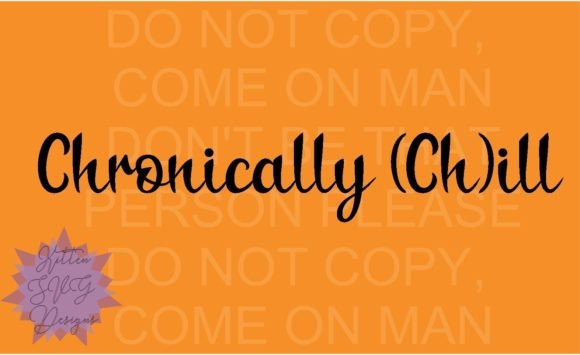
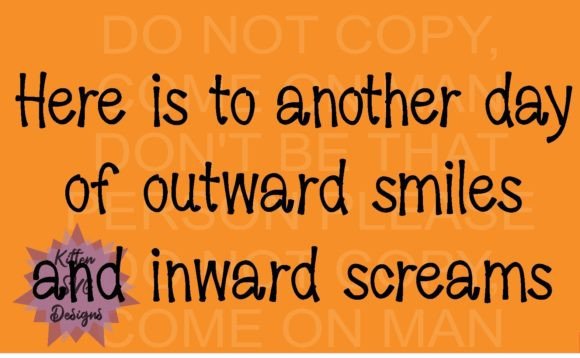
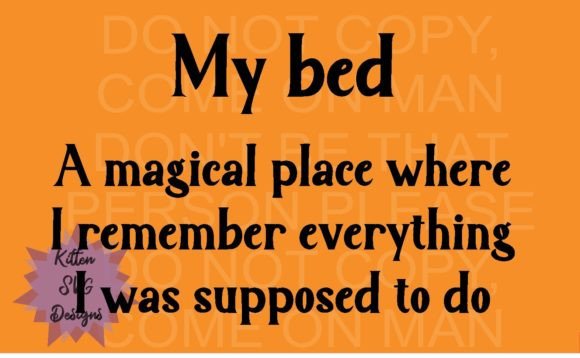
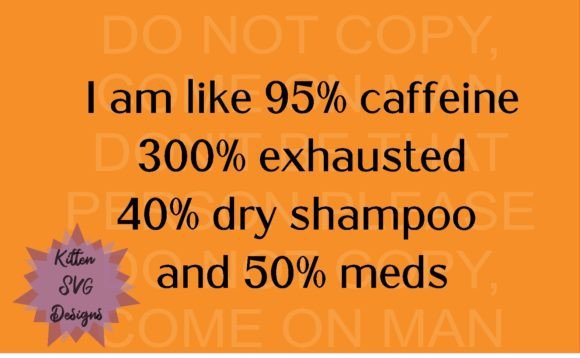
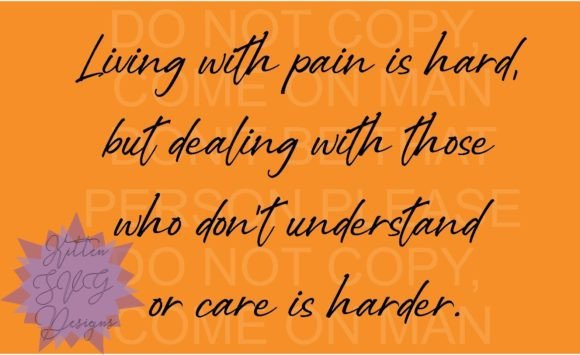
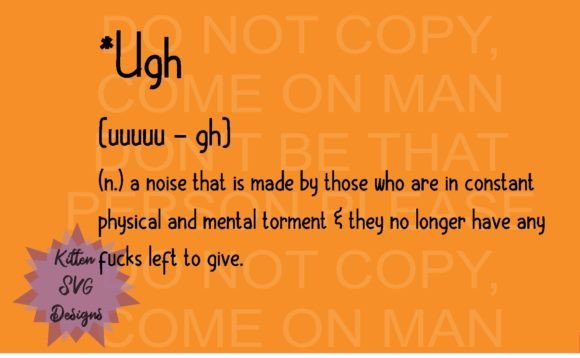
Ugh immediately sets a tone. It’s not subtle, nor is it meant to be. The design is raw, unapologetic, and emotionally charged. It’s clearly intended for people who want to express something deeply personal—whether it’s frustration, resilience, or a shared experience with chronic illness. The visual layout is simple but impactful, with bold typography and minimalistic elements that draw attention without overwhelming the eye.
This kind of design fits naturally on custom apparel, especially items like tote bags, sweatshirts, and baby onesies. It has a modern, edgy feel that could work well in a handmade shop or as part of a boutique brand’s collection. But it’s also a design that needs to be used thoughtfully. It’s not for everyone, and that’s okay.
Real-Life Use Cases: Where Ugh Shines
Imagine a customer walking into your craft fair booth or browsing your Etsy shop. They see a tote bag with the word “Ugh” embroidered in bold, confident stitches. It catches their eye—not just because of the design, but because of the message. This is a piece that speaks to people who want to make a statement, whether it’s for themselves or as a gift.
Ugh works best on larger, flat surfaces where the design can breathe. A sweatshirt, a pillow cover, or an apron would be ideal. It also has potential as an embroidered patch for jackets or backpacks. The simplicity of the design means it can be adapted to various fabrics and styles, as long as the right techniques are used.
For small business owners, Ugh could be a strong addition to a line of personalized gifts or branded merchandise. It’s versatile enough to fit into different niches, from wellness-focused shops to creative collectives that celebrate individuality.
Challenges and Considerations: Where Ugh Needs Care
While Ugh is visually striking, it’s not without its challenges. The design’s boldness can be a double-edged sword. On smaller hoop sizes, it may require some scaling or reworking to ensure clarity. Thin or stretchy fabrics might cause the stitches to distort, so testing on scrap fabric first is essential.
Textured or dark fabrics can also affect how the design looks. If you’re planning to use Ugh on a black t-shirt or a dark sweatshirt, make sure the thread color contrasts well. Otherwise, the design might get lost in the background. Similarly, if you’re using it on a layered garment or a curved surface like a cap, you’ll need to adjust the hoop size and stabilize the fabric properly.
Another thing to consider is the detail level. While Ugh isn’t overly complex, the corners and edges need to be clean. If you’re using a satin stitch or fill stitch, check that the density is appropriate. Too much stitch density can cause the fabric to pucker, while too little might make the design look incomplete.
Impact on Visual Appeal and Customer Perception
When it comes to visual appeal, Ugh has a strong presence. It’s the kind of design that stands out in a crowd, which is great for attracting attention. But it also requires a certain level of trust from the customer. People need to understand the message behind it before they decide to buy.
For handmade products, Ugh adds value by offering a unique, personal touch. It can elevate a basic item into something meaningful. However, it’s important to present it in a way that highlights its purpose. A printable mockup or a well-designed Etsy listing can help customers visualize how it will look on their own items.
From a branding perspective, Ugh can be a powerful tool. It aligns with the values of many small businesses that focus on authenticity and self-expression. But it also requires consistency. If you’re using it across multiple products, make sure the style and message remain aligned with your brand identity.
Practical Tips for Embroidery Designers and Sellers
If you’re considering using Ugh in your next project, here are a few practical tips to keep in mind:
- Test the design on scrap fabric before committing to a finished product.
- Check thread color contrast against different fabric backgrounds.
- Review stitch density to avoid puckering or distortion.
- Confirm the correct hoop size for your machine and project.
- Inspect small details like corners and lettering for accuracy.
- Try the design in black and white mockups to see how it translates.
- Use proper stabilizer for delicate or stretchy fabrics.
- Verify that the design is suitable for both personal and commercial use.
- Check licensing terms before selling finished items or digital files.
Ugh is a design that demands attention. It’s not for every project, but when used correctly, it can add a powerful emotional element to your work. Whether you’re an Etsy seller, a craft business owner, or a hobbyist, it’s worth considering how this design fits into your creative vision.
Final Thoughts: Is Ugh Worth It?
Ugh isn’t a generic, one-size-fits-all design. It’s a statement, a conversation starter, and a reflection of a very real experience. For the right audience, it can be a valuable addition to your embroidery project or product lineup. But it also requires thoughtful application and careful execution.
If you’re looking for a design that resonates on a deeper level, Ugh might be exactly what you need. Just remember to approach it with the same care and consideration you’d give any other embroidery file. After all, the goal isn’t just to stitch a design—it’s to create something meaningful.