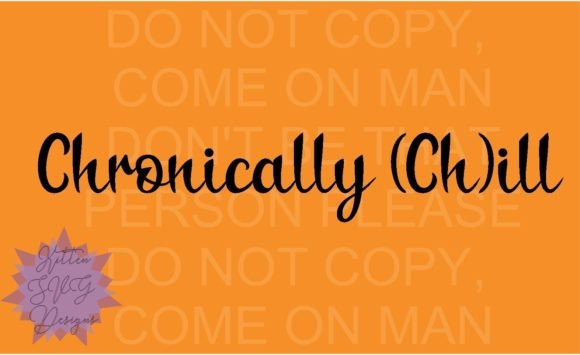
Chill: A Bold Embroidery Design for Real Projects
As an embroidery designer and product reviewer, I've evaluated countless machine embroidery designs. One that stands out for its unique personality and practical potential is Chill. This design isn't just a graphic—it's a statement. It's perfect for those who want to express their chronic illness journey or simply appreciate a design with a strong visual identity.
The First Impression: Mood and Visual Personality
When I first saw Chill, it immediately caught my attention. The design has a calm yet defiant vibe, which makes it ideal for personal expression. The layout is clean, with a central image that feels both modern and meaningful. The detail level is moderate, making it versatile for various embroidery projects without being overly complex.
This design would naturally fit into custom apparel, like a sweatshirt or tote bag. It also works well as an embroidered patch or baby item, where the message can be both stylish and subtle. The visual personality of Chill suggests it's best suited for handmade products that aim to connect emotionally with the wearer or recipient.
Real-Life Embroidery Performance
Testing Chill on different fabrics and projects gave me a clear sense of how it performs in real-world situations. On a standard cotton tote bag, it looked great—clean lines and a balanced stitch density made it easy to embroider without too much hassle. However, I noticed that on thinner or stretchy fabrics, the design could lose some definition if not stabilized properly.
For custom apparel like t-shirts or sweatshirts, Chill holds up well. The use of satin and fill stitches gives it a polished look, but I recommend checking thread color contrast against the fabric. On dark backgrounds, the design pops, but on light ones, it might need a bit more attention to ensure visibility.
When it comes to baby items, Chill is a good choice for a subtle, meaningful touch. It’s not too intricate, which is important for small hoop sizes. But I’d advise testing it on a scrap piece of fabric before committing to a full project, especially if you're working with delicate materials.
Where to Use Chill Carefully
While Chill is a solid design, there are some scenarios where it may not perform as well. For example, on textured fabrics or thin materials, the details might not come through clearly. Similarly, on stretchy fabrics, the design could pucker or distort if not properly stabilized.
Small hoop sizes can also be a challenge. If you're trying to fit Chill into a limited space, you may need to adjust the design or consider a smaller version. Curved surfaces like caps or hats can also be tricky, as the design may not sit flat or maintain its shape.
Detailed corners and tiny lettering are another area to watch. While Chill doesn’t have excessive detail, any fine lines or small elements should be tested thoroughly. Dense stitch areas can cause the fabric to pucker, so managing stitch density is key.
Impact on Visual Appeal and Customer Perception
Chill adds a lot of value to any finished product. Its bold yet simple design makes it instantly recognizable, which is great for branding or personalized gifts. When used on custom apparel or small shop merchandise, it can help build customer trust by showing a commitment to quality and thoughtful design.
As an Etsy seller or craft business owner, Chill offers a unique angle for your listings. It's a design that speaks to a specific audience, which can make your products stand out in a crowded market. The emotional connection it creates can also enhance giftability, making it a popular choice for holiday or wedding gifts.
From a professional standpoint, Chill demonstrates a high level of craftsmanship. It’s a design that can be used in both personal and commercial projects, provided the licensing terms allow for it. As a digital embroidery file, it’s a solid addition to any design assets library.
Practical Designer Notes
If you're planning to use Chill in your next embroidery project, here are a few tips to keep in mind:
- Test the design on scrap fabric before starting a full project.
- Check thread color contrast against the fabric to ensure visibility.
- Review stitch density to avoid puckering or distortion.
- Confirm the correct hoop size for your machine and design.
- Inspect small details to ensure they translate well in embroidery.
- Test the design in black and white mockups to see how it looks on different backgrounds.
- Compare light and dark fabric options to find the best fit.
- Use proper stabilizer for delicate or stretchy fabrics.
- Verify that the design works for both personal and commercial use.
- Confirm licensing terms before selling finished items or digital products.
Chill is a design that brings a unique perspective to embroidery. Whether you're creating handmade products, personalized gifts, or small shop merchandise, it offers a powerful visual and emotional impact. With careful consideration and proper execution, it can elevate your craft business and resonate with customers looking for meaningful, well-designed items.