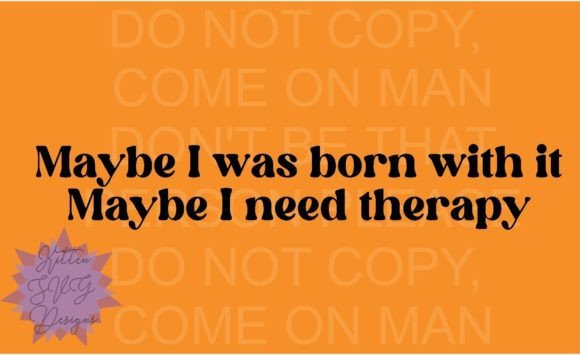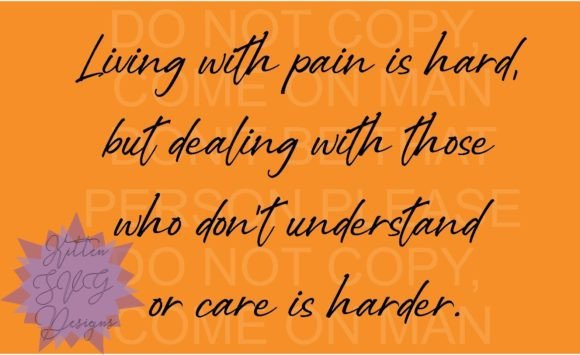
Living with: A Bold Embroidery Design
As an embroidery designer and product reviewer, I’ve seen my fair share of digital files that promise a lot but deliver little. Living with is one of those designs that immediately grabs attention with its unique theme and visual energy. It’s not just another graphic—it’s a statement, and that makes it interesting for real-world use.
The First Impression
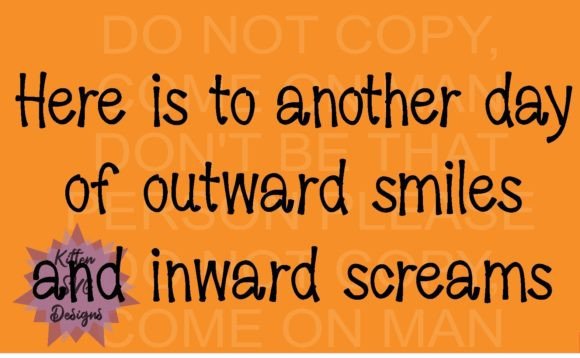
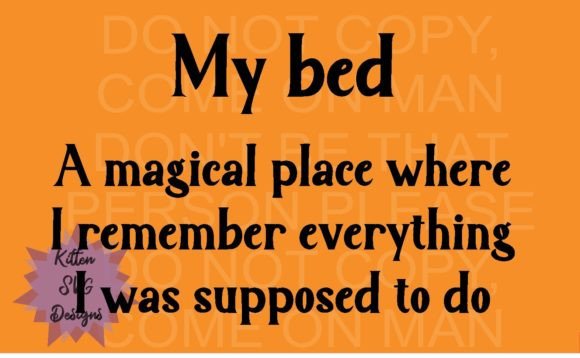
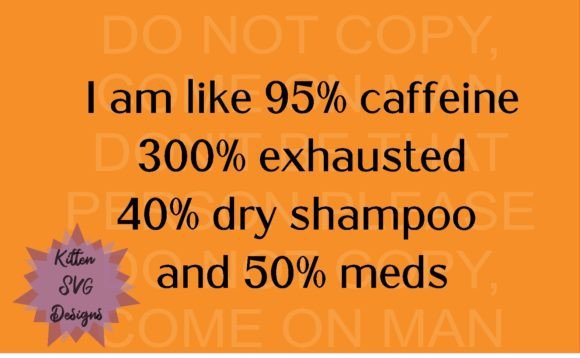
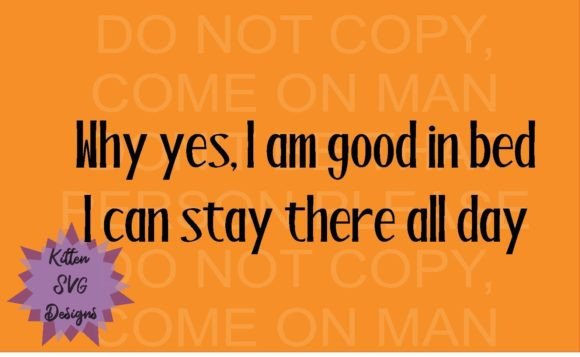
From the moment I opened the Living with file, I noticed its strong visual personality. The design has a raw, almost rebellious vibe that speaks to people living with chronic illness or pain. It’s not subtle, but that’s part of its charm. The layout is clean, with enough detail to be visually engaging without being overwhelming. It’s a design that feels like it was made for a specific audience, and that focus comes through clearly.
The shape of the design is straightforward, which makes it versatile for different embroidery projects. It doesn’t have intricate curves or complex shapes that might be hard to translate into stitch form. Instead, it relies on bold lines and clear structure, which is great for both machine embroidery and hand-stitched applications.
Real-World Embroidery Performance
When I tested Living with on a sample sweatshirt, it looked sharp and professional. The stitch density was well-balanced, and the design didn’t look too busy or too sparse. It worked well with a combination of satin stitch and fill stitch, giving it a polished finish without sacrificing detail.
This design would fit naturally into custom apparel, especially for small businesses or Etsy sellers looking to create meaningful, personal items. It’s perfect for tote bags, aprons, and even baby clothes where the message can be both functional and expressive. I could see it working as an embroidered patch on a jacket or a cap, adding a touch of personality to any garment.
For holiday or wedding gifts, Living with has potential as a personalized item. It’s not the kind of design you’d put on a traditional gift, but for someone who appreciates a more direct and honest approach, it could be a powerful choice. It’s also a good fit for nursery decor or bedroom accessories where the message can be both comforting and empowering.
Where to Use with Caution
While Living with is a strong design, it’s not without limitations. On smaller hoop sizes, some of the finer details may get lost, especially in the corners or around the edges. If you’re working with a tight hoop, you’ll need to adjust your stitching strategy to ensure the design remains clear and readable.
Fabric texture can also affect how the design looks. On thick or textured materials, the stitches might not lay flat as smoothly as they do on smooth fabrics. Thin or stretchy materials may require extra stabilizer to keep the design from puckering or distorting during stitching.
On dark fabrics, the design might not stand out as much unless you use a contrasting thread color. I recommend testing it on both light and dark backgrounds to see how it performs. For commercial embroidery or high-volume production, make sure the design scales well and maintains clarity at different sizes.
Impact on Visual Appeal and Customer Perception
Living with has a strong visual presence that can elevate the value of any handmade product. Its bold message and clear design make it instantly recognizable, which is great for brand consistency and customer engagement. When used on a tote bag or a sweatshirt, it adds a sense of authenticity and purpose that can resonate with buyers looking for meaningful items.
As a personalized gift, it offers something unique that many customers appreciate. It’s not just a design—it’s a conversation starter. For small shop owners or crafters, this kind of design can help differentiate their products in a crowded market. It also builds trust, as it shows that the designer understands the needs and emotions of their audience.
From a business perspective, Living with has the potential to be a valuable addition to an embroidery portfolio. It’s versatile enough to work across multiple product types, from apparel to home decor, and it can be used in both personal and commercial projects—provided the licensing allows it.
Practical Designer Notes
Before using Living with in a project, I always recommend testing it on scrap fabric. This helps you see how the design translates in real life and whether it meets your expectations. Check the thread colors against the fabric to ensure good contrast, and review the stitch density to avoid issues with shading or visibility.
Make sure the hoop size is appropriate for the design. If the design is large, you may need to split it into sections or use a larger hoop. Inspect the small details closely, especially if there are any tiny lettering or decorative elements. Test the design in black and white mockups to see how it looks without color, and compare it on both light and dark backgrounds.
Use the right stabilizer for the fabric type, and always confirm that the design is suitable for both personal and commercial use. If you’re selling finished items or digital products, double-check the licensing terms to avoid any legal issues. And don’t forget to include Living with in your printable mockups and digital product previews to give customers a clear idea of what they’re getting.
Final Thoughts
Living with is more than just an embroidery design—it’s a piece of art with a message. It’s designed for people who want to express themselves, and that makes it a powerful tool for designers, crafters, and small business owners. Whether you’re creating custom apparel, personalized gifts, or boutique merchandise, this design has the potential to add real value and meaning to your work.
As long as you take the time to test it, adjust for fabric and hoop limitations, and use it in the right context, Living with can be a standout addition to your embroidery project collection. It’s a design that speaks, and that’s something worth stitching.