Not Perfect but Real
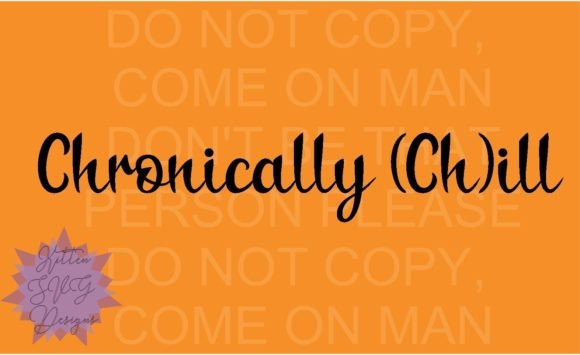
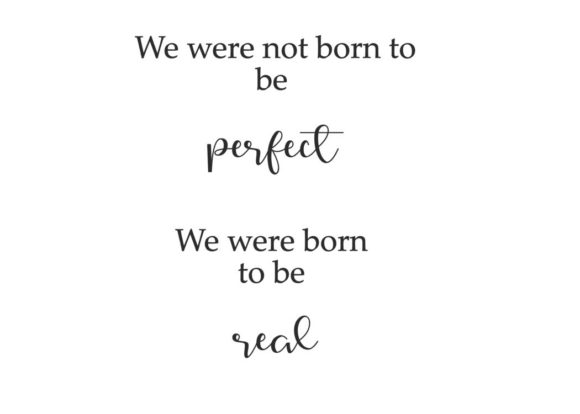
As an embroidery designer and product reviewer, I often come across designs that promise a lot but deliver little. Not Perfect but Real is one of those pieces that doesn’t try to be perfect—it leans into its raw, authentic energy. It’s not about flawless execution; it’s about capturing the real, unfiltered emotions that come with living with a chronic illness. That’s what makes it unique and worth exploring for real-world embroidery projects.
The First Impression: A Design That Speaks Volumes
From the moment I laid eyes on Not Perfect but Real, I felt its emotional weight. The design isn’t overly complex, but it carries a strong visual personality. The layout is clean, with enough detail to hold interest without overwhelming the eye. It’s the kind of design that feels like a personal statement—something you’d want to stitch onto a custom apparel piece or a handmade gift for someone who understands the struggle.
The theme is straightforward but powerful. It uses simple shapes and bold lines to convey a message that resonates deeply with many people. This makes it ideal for embroidered patches, tote bags, or even baby items where a subtle yet meaningful message can make a big impact.
Real-World Embroidery Use Cases
Not Perfect but Real works best in projects where the message matters as much as the craftsmanship. For example, if you’re creating a custom sweatshirt for a client who wants to express their chronic illness journey, this design could be a great fit. It’s also well-suited for tote bag designs, aprons, or pillow covers that serve both a functional and emotional purpose.
It’s important to consider how the design will translate to different materials. On a lightweight fabric, it might look delicate, but on a heavier cotton or denim, it could stand out more. The same goes for fabric texture—on a smooth surface, the details are clear, but on something more textured, they might get lost.
Where to Be Cautious
While Not Perfect but Real has a lot going for it, there are some areas where caution is needed. If you're planning to use it on small hoop sizes, you might find that the details don’t translate well. Similarly, on stretchy or thin fabrics, the design could pucker or lose definition.
For dark fabrics, the contrast might not be as strong as on lighter backgrounds. You may need to adjust thread colors or use a stabilizer to ensure the design stays sharp. Also, if you’re working with layered garments or curved surfaces like caps, the design might not sit as smoothly as you’d hope.
Impact on Visual Appeal and Customer Trust
When it comes to visual appeal, Not Perfect but Real is understated but effective. It doesn’t demand attention, but it holds its own in a lineup of other designs. For a handmade product or personalized gift, this kind of subtlety can be a big plus. Customers often appreciate designs that feel genuine rather than overly polished.
Stitching clarity is another factor. Depending on the stitch density and the type of stitches used (like satin or fill stitches), the design can vary in how it looks once finished. Running stitches might work better for certain elements, while dense fill stitches could cause the design to appear too heavy.
Practical Designer Notes
If you’re considering using Not Perfect but Real in your embroidery projects, here are a few things to keep in mind:
- Test the design on scrap fabric before committing to a final project.
- Check thread color contrast against the fabric background.
- Review the stitch density to ensure it matches the fabric and project needs.
- Confirm the hoop size required for the design.
- Inspect small details closely—some elements might be too fine for certain applications.
- Test the design in black and white mockups to see how it looks without color.
- Compare the design on light and dark fabric backgrounds.
- Use the right stabilizer for the fabric type.
- Ensure the design works for both personal and commercial projects.
- Check licensing terms before selling finished items or digital products.
Who This Design Is Best For
Not Perfect but Real is ideal for embroidery designers, small business owners, and crafters who want to create meaningful, emotionally resonant products. It fits well in the Crafts and Graphics categories, especially for those looking to offer handmade products, personalized gifts, or custom apparel.
For Etsy sellers and boutique shop owners, this design could be a valuable addition to your product line. It’s also a great option for printable mockups, digital embroidery files, and craft fair products that aim to connect with customers on a deeper level.
Final Thoughts
Not Perfect but Real isn’t about perfection—it’s about authenticity. It’s a design that speaks to the real struggles and triumphs of living with a chronic illness. As an embroidery designer, I see its potential in a variety of projects, from custom apparel to holiday gifts and personalized products.
It’s not without its limitations, but when used thoughtfully, it can add real value to your craft business or handmade creations. Whether you’re an experienced designer or just starting out, this design offers a unique opportunity to create something that feels genuine and meaningful.