Same Side Embroidery Design Review
As an embroidery designer and product reviewer, I’ve evaluated countless machine embroidery designs. Same Side stands out for its unique message and visual appeal, but it’s not without its considerations. This review dives into how the design performs in real-world projects, what it’s best suited for, and where it might need extra attention.
The First Impression: A Bold Statement
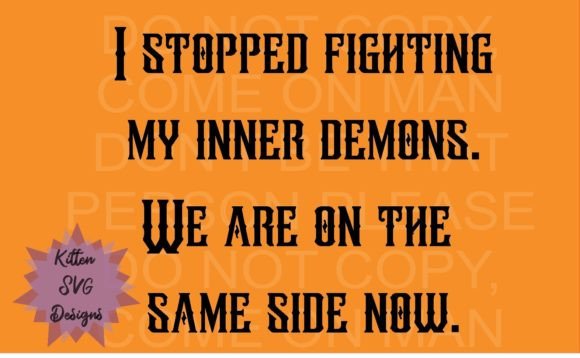
Same Side immediately conveys a sense of defiance and personal expression. The design’s layout is clean, with a strong central image that captures the mood of someone living with chronic illness or pain. It’s not subtle, but that’s part of its charm. The shape and theme make it ideal for custom apparel, baby items, or personalized gifts where the message needs to be clear and impactful.
The level of detail is moderate, which means it works well on larger surfaces but may require adjustments for smaller projects. The visual personality of Same Side is modern and direct, making it a good fit for handmade products that aim to connect emotionally with the wearer or buyer.
Real-Life Use Cases: Where Does It Shine?
When considering a tote bag design, Same Side could be a standout piece. It would look great on a cotton canvas tote, especially if paired with a contrasting thread color. For sweatshirt embroidery, the design holds up well, though the stitch density should be checked to avoid bulkiness.
On baby clothes, Same Side might be too bold for some, but as a statement piece for a onesie or a baby blanket, it could add a meaningful touch. As an embroidered patch, it would work well on denim jackets or backpacks, offering a simple yet powerful visual element.
For holiday or wedding gifts, Same Side could serve as a unique, personalized item. It’s also a solid choice for small shop merchandise, especially if the brand aligns with themes of resilience and self-expression.
Where to Be Cautious: Practical Considerations
While Same Side is versatile, there are areas where it may not perform as expected. Small hoop sizes can be a challenge—this design might require a larger hoop to ensure all details are captured properly. On textured fabrics, the stitches may not lay flat, which could affect the finished product’s appearance.
Thin or stretchy fabrics may cause the design to pucker or distort, especially if the stabilizer isn’t used correctly. Dark fabrics could also be an issue, depending on the thread colors chosen. If the design is intended for layered garments, the placement and visibility need careful consideration.
Curved surfaces like caps or hoods may require repositioning the design to maintain its integrity. Tiny lettering or intricate corners might get lost in the stitching, so it’s worth testing on scrap fabric before committing to a final project.
Impact on Visual Appeal and Customer Perception
Same Side has the potential to elevate a handmade product’s visual appeal, especially when used on high-quality materials. Its clarity depends heavily on stitch density and the type of embroidery file used. A well-executed design can add value to a product, making it more desirable for customers who appreciate meaningful, personalized items.
From a customer perspective, the design’s message could generate interest and conversation, particularly among those who relate to its theme. However, it’s important to consider the target audience—what resonates with one group may not with another. Ensuring the design fits within the brand’s identity is key to maintaining consistency and trust.
For commercial embroidery projects, Same Side could be a strong asset if used appropriately. As a digital embroidery file, it offers flexibility for craft businesses and Etsy sellers looking to expand their product lines. But the licensing terms should be verified before selling finished items or digital products.
Embroidery Designer Notes: Testing and Preparation
Before using Same Side in a real project, always test it on scrap fabric. This helps identify any issues with stitch density, thread color contrast, or fabric compatibility. Checking the design in black and white mockups can reveal how it will appear on different backgrounds, especially when working with light or dark fabrics.
Using the right stabilizer is crucial, especially for delicate or stretchy materials. Confirming the hoop size needed for the design ensures that all elements are stitched properly without distortion. For intricate details, a running stitch or satin stitch might be more effective than a fill stitch.
If the design is intended for both personal and commercial use, double-check the licensing agreement. Some designs may have restrictions on resale or modification, which could impact how you use or sell the finished product.
Final Thoughts: A Design with Purpose
Same Side is more than just an embroidery file—it’s a statement. It’s designed for those who want to express their experiences through art, whether as a personal project or a small business offering. While it has its limitations, with proper preparation and thoughtful application, it can become a valuable addition to any embroidery project.
Whether you’re an Etsy seller, a craft business owner, or a hobbyist, Same Side offers a unique opportunity to create meaningful, visually striking products. Just remember to test, adapt, and tailor it to your specific needs and audience.