Iconic Embroidery Design Review
As an embroidery designer and product reviewer, I’ve seen thousands of machine embroidery designs come and go. But few capture the emotional weight and visual impact of Iconic. This design isn’t just a pattern—it’s a statement. Whether you’re crafting for personal expression or commercial use, understanding how Iconic performs in real-world projects is essential.
The First Impression: Mood and Visual Personality
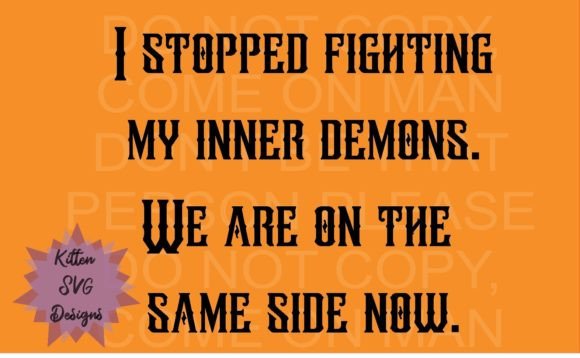
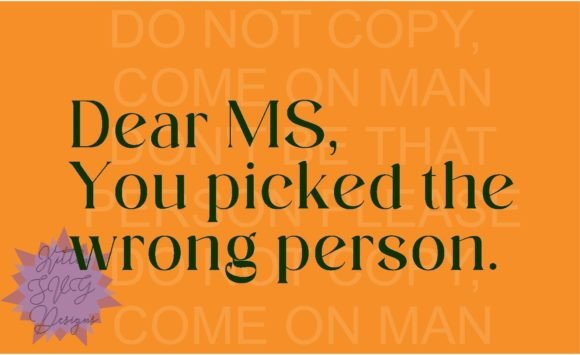
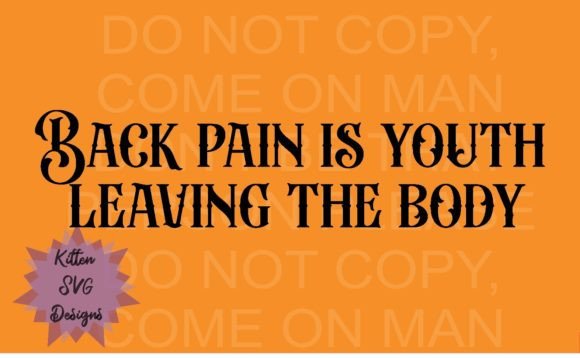
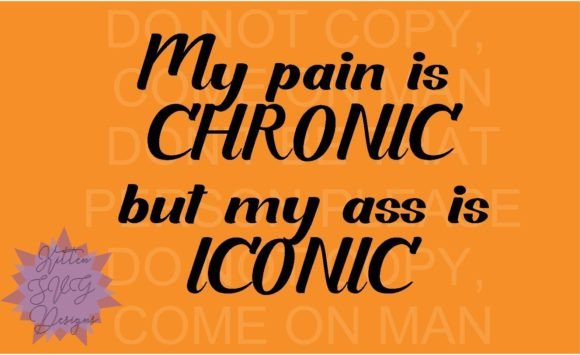
Iconic immediately conveys a sense of resilience and defiance. The shape and layout are clean yet powerful, with a bold, minimal aesthetic that doesn’t rely on excessive detail. It’s not a design that shouts, but one that speaks directly to those who understand its message. The theme is unmistakable—this is for people who live with chronic illness or pain, using embroidery as a form of creative expression.
The design’s simplicity makes it versatile. It can be adapted to a wide range of projects without losing its core identity. Whether you’re working on a custom apparel piece or a small craft business item, Iconic has a natural place in your collection.
Real-World Embroidery Performance
Testing Iconic on various fabrics and project types gives a clear picture of its strengths and limitations. For example, when used as a tote bag design, it looks sharp and professional. The stitch density is appropriate for most applications, allowing for good visibility without overwhelming the fabric.
On sweatshirts and t-shirts, Iconic holds up well, especially when using proper stabilizer. However, the design may not be ideal for thin fabric or stretchy fabric where the stitches could distort or pucker. In such cases, a more rigid fabric or additional stabilization is recommended.
For baby embroidery or nursery decor, the design’s clean lines make it a safe choice. It doesn’t have any sharp edges or intricate details that could pose a risk. But if you're planning to use it on a curved surface like a cap, you’ll need to ensure the hoop size accommodates the shape and that the design is adjusted for curvature.
Where to Use Carefully
Iconic works best on flat, stable surfaces. If you're considering using it on dark fabric, keep in mind that the thread colors may not show up as clearly. A contrast check is always a good idea before finalizing your project.
For layered garments or textured fabrics, the design might not sit as smoothly. In these cases, a applique design approach could be more effective. Also, if you plan to use Iconic on tiny lettering or dense stitch areas, be prepared to adjust the file or simplify the design for better results.
If you're working with commercial embroidery or Etsy listings, it's important to test the design thoroughly. A printable mockup can help you visualize how it will look on different backgrounds and in various applications.
Impact on Visual Appeal and Customer Perception
Iconic adds value to any project it’s used in. Its strong visual presence can elevate a simple handmade product into something that feels meaningful and intentional. Customers often respond positively to designs that tell a story or reflect their personal experiences.
When used in personalized gifts or custom apparel, Iconic can create a deep emotional connection. It’s not just a design—it’s a symbol of strength and perseverance. This kind of resonance can increase customer trust and encourage repeat business.
For small shop products or boutique branding, Iconic offers a unique opportunity to stand out. It can be a key element in your design assets, helping you build a cohesive brand identity that resonates with your target audience.
Practical Designer Notes
Before committing to a project, always test the design on scrap fabric. This helps you see how the stitches will look on your chosen material and whether any adjustments are needed. Check thread color contrast to ensure the design stands out as intended.
Review the stitch density and hoop size requirements. Some designs may need to be split or resized for certain machines or project sizes. Inspect small details closely, especially if the design includes any fine lines or delicate elements.
Use black and white mockups to evaluate how the design looks without color. This can help you spot issues that might not be obvious in color. Compare the design on both light and dark fabric backgrounds to ensure it works in all scenarios.
Finally, confirm the licensing terms before selling finished items or digital products. Make sure Iconic is suitable for personal and commercial projects as per the provider’s guidelines.
Final Thoughts
Iconic is a design that carries weight. It’s not just about aesthetics—it’s about meaning. Whether you’re an apparel decorator, Etsy seller, or craft business owner, this design has the potential to enhance your offerings and connect with your audience on a deeper level.
With careful consideration and proper execution, Iconic can become a staple in your embroidery project lineup. Just remember to test, adapt, and respect the design’s purpose. It’s more than a graphic—it’s a statement.