Oh No: A Bold Embroidery Design
As an embroidery designer and product reviewer, I’ve seen my fair share of digital files that promise a lot but deliver little. Oh No is one of those designs that immediately grabs attention with its unique theme and visual energy. It’s not just another graphic—it’s a statement.
The First Impression
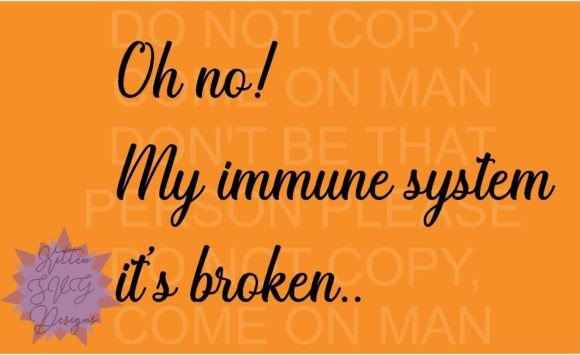
From the moment I opened the SVG file, I noticed how the design balances humor and seriousness. The phrase “Oh No” is stylized in a way that feels both playful and poignant. It’s perfect for those who want to express frustration or resilience without being overtly negative. The layout is clean, with enough detail to make it visually engaging but not so intricate that it becomes overwhelming.
This design would naturally fit into custom apparel, especially for those looking to create a personal or niche brand. It could work well as a tote bag design, sweatshirt embroidery, or even a baby item with a subtle twist. The shape and theme are versatile enough to be adapted to various projects, but they also have a distinct personality that might not suit every audience.
Real-Life Embroidery Performance
Testing Oh No on different fabrics gave me a good sense of how it performs in real-world scenarios. On a standard cotton t-shirt, the design looked sharp and clear, especially when using a satin stitch for the text. However, on thinner or stretchy fabrics, the details became slightly blurred, which is something to keep in mind if you’re planning to use this on delicate materials.
For custom apparel like caps or hats, the design works best when placed on flat areas rather than curved surfaces. The corners of the text can get distorted if the hoop size is too small, so it’s important to check the recommended hoop dimensions before starting. If you're working on a patch or applique design, the contrast between the thread colors and the fabric background becomes crucial—especially on dark fabrics where the design might not stand out as much.
When it comes to baby embroidery, the simplicity of Oh No makes it a safe choice. It’s not too detailed, which is good for smaller projects where precision matters. For holiday or wedding gifts, the design could add a unique touch, but it might not be the best fit for more traditional or formal occasions.
Where to Use Carefully
There are certain situations where Oh No might not be the best choice. On small hoop sizes, the design can lose some of its clarity, especially in the finer details. If you’re working with textured fabrics or thin materials, the stitching might not come out as crisp as you’d like. Similarly, on stretchy or dark fabrics, the design may not pop as intended.
For layered garments or products that require frequent washing, the durability of the stitches is worth considering. Dense stitch areas might cause the fabric to pucker or the design to fade over time. If you're planning to sell this as a finished product, it’s important to test the design thoroughly and ensure it holds up under normal use.
Impact on Visual Appeal and Customer Perception
Oh No has a strong visual presence that can elevate the appeal of any project it’s used on. When stitched correctly, it adds a unique element that stands out from generic designs. This can be a big plus for small shop products or Etsy listings where differentiation is key.
From a customer perspective, the design might evoke mixed reactions. Some will appreciate its boldness and relatability, while others might find it too direct or unprofessional. It’s important to consider your target audience before using this in commercial embroidery or personalized gifts.
For handmade products, the design can add a sense of authenticity and creativity. It’s a great way to showcase your style and connect with customers who value unique, expressive pieces. However, if you're aiming for a more polished or corporate look, Oh No might not be the best fit.
Practical Designer Notes
Before finalizing any project with Oh No, I recommend testing the design on scrap fabric. This will help you see how the stitches look on different materials and adjust your settings accordingly. Checking thread color contrast is also essential—especially if you're using this on dark or light backgrounds.
Reviewing the stitch density is another important step. If the design is too dense, it might cause the fabric to pucker or the stitches to break. Confirming the correct hoop size ensures that the design fits properly and maintains its integrity during the embroidery process.
Inspecting small details like the corners of the text and the overall layout can make a big difference in the final result. Testing the design in black and white mockups helps you visualize how it will look on different fabrics. Comparing it on light and dark backgrounds can also reveal potential issues that might not be obvious at first glance.
Using the right stabilizer is crucial, especially when working with delicate or stretchy fabrics. It helps maintain the shape and quality of the design throughout the stitching process. Always check whether the design works for both personal and commercial projects, and confirm the licensing terms before selling any finished items or digital products.
Final Thoughts
Oh No is a design that speaks volumes without saying much. It’s ideal for those looking to add a bit of edge or personality to their embroidery projects. Whether you're an Etsy seller, a craft business owner, or a hobbyist, this design offers a fresh and meaningful option for custom apparel, patches, and more.
With careful consideration and proper execution, Oh No can become a standout piece in your collection. Just remember to test it thoroughly and tailor it to your specific needs. It’s not a one-size-fits-all design, but when used correctly, it can make a powerful statement.