Hearts: A Bold Embroidery Design
As an embroidery designer and product reviewer, I’ve seen my fair share of designs that promise a lot but deliver little. Hearts is one that stands out for its simplicity and emotional resonance. It’s not just a design—it’s a statement. Whether you’re looking to create a handmade product or a commercial embroidery project, this design has the potential to make an impact.
The First Impression
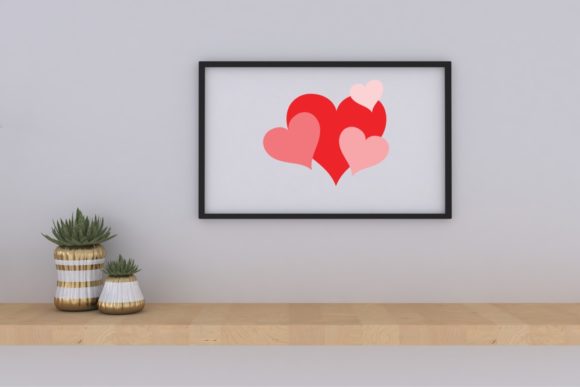
Hearts immediately conveys warmth, love, and a sense of personal connection. The shape is clean and recognizable, with a soft yet confident layout. The design doesn’t try to be overly complex; it relies on its visual personality to speak for itself. This makes it ideal for projects that need to communicate emotion without distraction.
It’s a versatile design that works well in both modern and traditional settings. The detail level is moderate, which means it can be adapted to different styles and applications. Whether you’re working on a baby item, a personalized gift, or a boutique product, Hearts feels right at home.
Real-Life Embroidery Use Cases
One of the first projects I thought of when reviewing Hearts was a custom embroidered tote bag. It’s a common item for small business owners and Etsy sellers, and this design could easily become a standout piece. The size and placement would work well on the front of a tote, adding a personal touch without overwhelming the fabric.
For sweatshirt embroidery, Hearts could be a great addition to a casual line of apparel. It’s simple enough to work on larger hoop sizes, and the stitch density isn’t so high that it risks damaging the fabric. When used on a cap or hat, the design maintains its clarity and doesn’t get lost in the curve of the brim.
In baby items, such as onesies or blankets, Hearts adds a gentle, loving touch. It’s a design that parents might appreciate for its subtle message and soft appearance. For holiday gifts or wedding gifts, it can be a meaningful addition to a personalized item, making it more than just a decorative element.
Where to Be Cautious
While Hearts is a strong design, there are situations where it may not perform as well. On small hoop sizes, the details might get lost or appear too cramped. If you're working with textured fabrics, like denim or canvas, the design may not sit as smoothly as it would on a smoother material.
Thin or stretchy fabrics can also pose challenges. The design may not hold up well if the fabric stretches during the stitching process. Dark fabrics require careful consideration of thread colors to ensure the design stands out clearly. For layered garments or curved surfaces, the design might need some adjustment to fit properly.
Dense stitch areas or detailed corners could cause the design to look less crisp. If you're using it as a decorative accent, you’ll want to make sure the surrounding elements don’t compete with the main design. Tiny lettering or intricate details might not translate well unless the design is scaled appropriately.
Impact on Visual Appeal and Product Value
Hearts has the potential to elevate the visual appeal of any project it’s used on. Its simplicity allows it to blend well with other design elements, making it a great choice for layered embroidery or combined motifs. When used in a finished product, it can add a sense of authenticity and care that customers often appreciate.
From a customer perspective, a design like Hearts can increase trust in a handmade product. It shows that the creator has put thought into the design and its application. For small shop products or Etsy listings, this kind of design can help stand out in a crowded market.
When used in commercial embroidery projects, Hearts can contribute to brand consistency. It’s a design that can be repeated across different items, creating a cohesive look for a collection. As a digital embroidery file, it’s also a valuable asset for craft businesses looking to expand their offerings.
Practical Designer Notes
Before using Hearts in your own projects, it’s always a good idea to test it on scrap fabric. This will give you a better idea of how the design looks in real life and whether it meets your expectations. Checking thread color contrast is essential, especially if you’re working with dark or light backgrounds.
Reviewing the stitch density is another important step. If the design is too dense, it may cause the fabric to pucker or the stitches to look uneven. Confirming the correct hoop size ensures that the design fits comfortably and stitches evenly. Inspecting small details can help identify any issues that might not be obvious in a digital preview.
Testing the design in black and white mockups can reveal how it looks without color. Comparing it on light and dark fabric backgrounds helps ensure it remains visible and effective. Using the proper stabilizer is crucial, especially when working with delicate or stretchy fabrics.
Make sure the design works for both personal and commercial projects. If you plan to sell finished items or digital products, double-check the licensing terms to avoid any legal issues. For printable mockups or digital product previews, Hearts can serve as a reliable example of what the final product will look like.
Final Thoughts
Hearts is a design that carries emotional weight and practical value. It’s not just a graphic—it’s a tool for expression, creativity, and connection. Whether you're an embroidery designer, a small business owner, or a hobbyist, this design offers a lot of potential for real-world use.
With the right approach, Hearts can become a staple in your embroidery project library. It’s a design that speaks to the heart, both literally and figuratively. And in a world where handmade and personalized items are increasingly valued, that’s no small thing.