Brain Fog, What: A Design Review
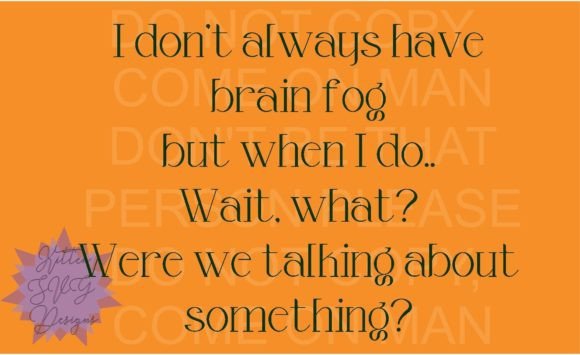
As an embroidery designer and product reviewer, I’ve seen thousands of machine embroidery designs. Some are stunning, others forgettable, and a few fall into the category of “unique but not quite practical.” Brain Fog, What is one of those designs that makes you pause and think about its real-world use. It’s not your typical cute or whimsical design—it’s more of a statement piece, and that’s what makes it interesting.
The First Impression
From the moment I opened the SVG file for Brain Fog, What, I noticed the bold, almost chaotic layout. The design isn’t clean or minimal—it’s messy, which fits the theme of mental fog and frustration. The shape is irregular, with overlapping elements that give it a raw, unpolished feel. This kind of design isn’t for everyone, but if you’re looking for something that speaks to personal struggle or chronic illness, it could be perfect.
The visual personality of Brain Fog, What is defiant and expressive. It doesn’t shy away from complexity, and that’s both its strength and its challenge. The detail level is decent, but it’s not intricate enough for high-end embroidery projects. It’s more of a graphic design than a detailed stitchable piece.
Real-World Embroidery Use Cases
When considering where to place Brain Fog, What, I immediately thought of custom apparel. A tote bag design or a sweatshirt embroidery could work well, especially if the target audience is people who want to express their struggles through fashion. It also has potential as an embroidered patch or a baby item with a twist—though I’d be cautious about using it on delicate fabrics.
This design would shine on larger hoop sizes, where the details can be properly rendered. It might not be ideal for small hoop projects, like caps or hats, due to its size and complexity. If you’re planning to use it on a cap, you’ll need to scale it down significantly, which could affect the clarity of the design.
Where to Be Careful
There are a few areas where Brain Fog, What could pose challenges. For starters, it may not work well on textured fabrics or thin materials. The stitch density required to render the design could cause puckering or distortion, especially on stretchy or delicate fabrics.
On dark fabric, the design might not stand out as much as intended. You’ll need to choose thread colors that contrast well, which could limit your options. Also, if you’re planning to use this on layered garments or curved surfaces, you’ll need to test it first to ensure the stitching doesn’t get distorted.
Another thing to consider is the design’s suitability for commercial use. If you’re an Etsy seller or a small shop owner, you’ll want to confirm the licensing terms before selling finished products. While the description mentions it’s a downloadable SVG, it doesn’t specify whether it’s for personal or commercial use, so it’s best to double-check.
Visual Appeal and Customer Perception
When it comes to visual appeal, Brain Fog, What is polarizing. It’s not the kind of design that will appeal to everyone, but for the right audience, it could be powerful. People who relate to the theme of chronic illness or mental fatigue might find it meaningful and emotionally resonant.
However, in a crowded market like Etsy or craft fairs, it might not stand out as much as a more traditional design. That said, if used strategically—like on a personalized gift or a boutique product—it could create a strong emotional connection with buyers.
From a professional standpoint, the design’s clarity depends heavily on how it’s stitched. If the stitch density is too high, it could look muddy. If it’s too low, the details might be lost. Testing the design on scrap fabric before committing to a project is always a good idea.
Practical Designer Notes
Before using Brain Fog, What in any project, I recommend testing it on different fabric types. Check how the stitch density affects the outcome, and make sure the design scales properly for your intended application. If you’re using it for a printable mockup or digital product preview, ensure the resolution is high enough to maintain quality.
For handmade products, consider how the design will look when stitched. Will it hold up over time? Will it fade or distort after washing? These are important questions to ask, especially if you’re selling it as a finished product.
If you’re using it for a custom apparel project, make sure the design works well with the fabric type. A stabilizer is essential for preventing puckering, especially on stretchy or lightweight materials. Also, check the thread color contrast against the fabric to ensure visibility.
Final Thoughts
Brain Fog, What is not a design for the faint of heart. It’s bold, unapologetic, and deeply personal. If you’re looking for something that expresses vulnerability or resilience, this could be the right fit. But if you’re aiming for a more universal or commercial design, you might want to think twice.
For embroidery designers and craft business owners, this is a design that requires careful consideration. It has potential, but only if used in the right context. Whether it’s for a custom tote bag, a personalized gift, or a boutique product, Brain Fog, What could add a unique touch—if executed correctly.