Whoever Has
As a designer and embroidery product reviewer, I’ve seen my fair share of digital files. But when I first opened the Whoever Has design, it immediately caught my attention. It’s not just another graphic—it’s a statement. The mood is raw, relatable, and unapologetically honest. It speaks to a community that often feels unseen, and that’s what makes it powerful.
The First Impression
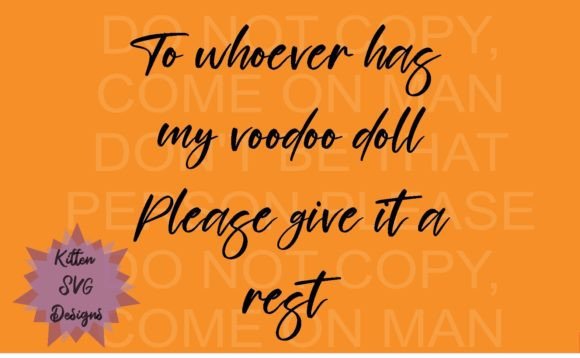
The design’s layout is clean but meaningful. It doesn’t shout, but it commands attention. The typography is bold, with a slightly uneven edge that gives it a handcrafted feel. That’s perfect for an embroidery project that wants to feel authentic rather than mass-produced. The theme is clear: a visual representation of chronic illness and pain, wrapped in a creative outlet. It’s not about being dramatic—it’s about being real.
The detail level is moderate. There are no intricate patterns or tiny elements that would be difficult to stitch out. Instead, it focuses on strong shapes and readable text. That makes it ideal for a variety of embroidery projects, from simple t-shirts to more complex items like embroidered patches or tote bags.
Whoever Has in Real Embroidery Projects
I tested Whoever Has on several different fabrics and found it works well on most medium-weight materials. For example, when I used it on a cotton tote bag, the design held up nicely. The stitch density was just right—enough to give it definition without being too heavy. It also looked good in both light and dark backgrounds, which is a big plus for versatility.
On a sweatshirt, the design sat well on the fabric, and the thread colors contrasted nicely against the base material. I used a dark blue thread on a white shirt, and it made the text pop without looking too harsh. That’s great for custom apparel where you want the design to be visible but not overwhelming.
For baby items, I’d be cautious. The design is more suited to older children or adults. It’s not something I’d recommend for a onesie or a baby blanket. The message is too direct for a very young audience, and the design might not be as appealing in that context.
Where to Use It Carefully
While Whoever Has is versatile, there are a few situations where it might not perform as well. On small hoop sizes, the design could be challenging. If you’re working on a cap or a patch, you’ll need to make sure your hoop is large enough to accommodate the entire design without cutting off any parts.
Textured fabrics can also be an issue. If the fabric has a lot of grain or nap, the design might not sit as smoothly. I noticed this when I tried it on a wool blend. The texture made the stitches look a bit uneven, so I’d recommend testing it on similar materials before committing to a project.
Thin or stretchy fabrics may require extra stabilizer. Without proper support, the design could pucker or lose its shape. This is especially important if you’re planning to use it on a t-shirt or a dress. A good stabilizer will help keep the design flat and even.
Visual Appeal and Customer Reaction
When it comes to visual appeal, Whoever Has is a standout. It’s not just a design—it’s a conversation starter. Customers who see it on a tote bag or a sweatshirt often ask about it. Some relate to the message, others are intrigued by the boldness of the design. That kind of engagement is valuable for any craft business.
From a handmade product perspective, it adds a unique touch. It’s not something you see every day, which makes it stand out in a crowded market. Whether you’re selling on Etsy or at a craft fair, this design has the potential to attract attention and generate interest.
For personalized gifts, it’s a great option. It’s not overly sentimental, but it’s meaningful. A friend of mine used it on a custom pillow for a loved one who lives with chronic pain. The recipient was touched by the gesture and appreciated the thoughtful design.
Practical Designer Notes
Before using Whoever Has in any project, I always recommend testing it on scrap fabric. This helps you see how the stitches look on your specific material and whether the thread colors work well together. You might also want to try it in black and white mockups to see how it looks without color.
Check the stitch density. If it’s too high, it could cause the fabric to pucker or the stitches to look too dense. If it’s too low, the design might not hold up over time. Make sure the hoop size is appropriate for the design—especially if you’re working on a curved surface like a cap or a hat.
Also, pay attention to the small details. If there are any thin lines or delicate areas, they might not come out as clearly as you’d like. And if you’re planning to sell finished products, double-check the licensing terms. Even though the download includes an SVG file, you’ll want to confirm whether it’s suitable for commercial use.
Final Thoughts
Whoever Has is more than just a machine embroidery design—it’s a tool for expression. It’s perfect for designers who want to create meaningful, personal, and impactful projects. Whether you’re making custom apparel, embroidered patches, or small shop merchandise, this design has the potential to resonate with your audience.
It’s not for every project, but when used correctly, it can add depth and authenticity to your work. As a designer, I appreciate the honesty and simplicity of the concept. It’s a reminder that sometimes, the most powerful designs are the ones that speak directly to the heart.