Paingry: A Bold Embroidery Statement
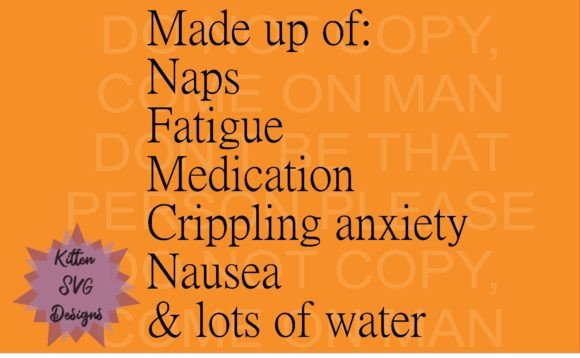
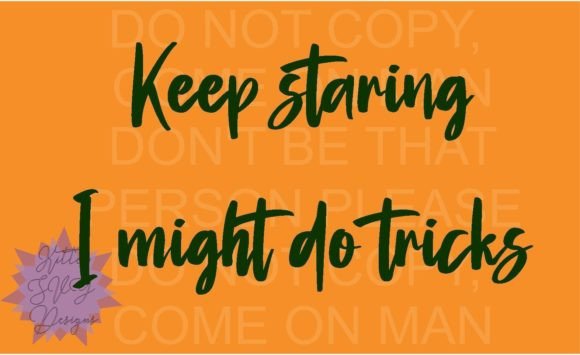
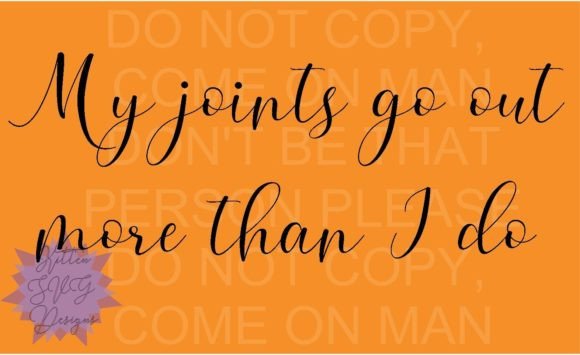
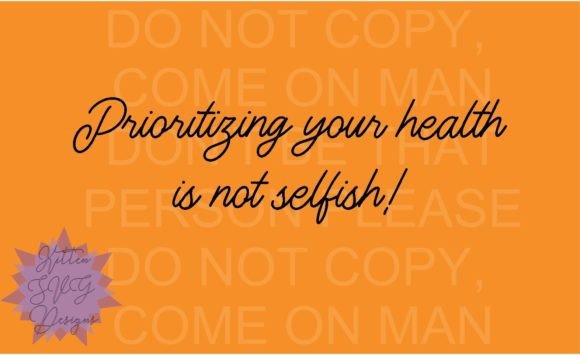
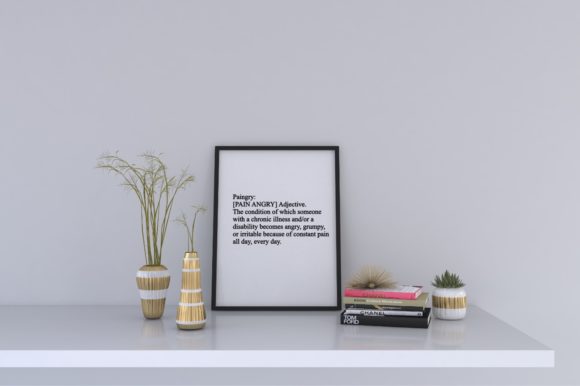
As a designer and embroidery product reviewer, I always start with the first impression of a design. Paingry immediately catches the eye with its strong visual personality. The image is bold, expressive, and clearly communicates a message that resonates with those who live with chronic illness. It’s not just a graphic—it’s a creative outlet for frustration, a conversation starter, and a unique way to show off individuality through embroidery.
The Mood and Message of Paingry
Paingry carries a mood that’s both defiant and personal. The layout is clean but impactful, with a balance between negative space and detailed elements. The theme is unmistakable—this isn’t a generic design. It’s meant for people who want to express their struggles in a subtle yet powerful way. The design’s visual personality makes it ideal for custom apparel, embroidered patches, or even baby items that carry a meaningful message.
When I first saw Paingry, I imagined it on a tote bag or a sweatshirt. It would stand out without being overwhelming. The shape and composition suggest it works best on flat, structured surfaces like t-shirts, tote bags, or aprons. It’s not the kind of design that would thrive on a curved surface like a cap, where the details might get distorted.
Real-World Embroidery Use Cases
Testing Paingry on a custom embroidered tote bag was my first real-world use case. The design looked great when stitched on a medium-weight cotton fabric. The stitch density was appropriate for the detail level, and the overall clarity was good. It worked well as a tote bag design, especially for a small business owner looking to create a statement piece.
For a sweatshirt embroidery project, Paingry would be a strong choice. It has enough detail to make the finished product stand out, but not so much that it becomes difficult to stitch. The design would also work well as an embroidered patch, especially for personalized gifts or handmade products. However, I’d recommend testing it on different fabrics before committing to a large batch.
On baby clothes, Paingry could be a unique touch, but I’d be cautious about using it on thin or stretchy fabrics. The design’s detail might not translate well on something like a onesie, where the fabric could distort the stitching. For a more durable application, a heavier fabric like denim or a thick cotton would be better suited.
Where to Be Cautious with Paingry
There are certain situations where Paingry might not perform as well. Small hoop sizes could be a challenge, especially if the design includes intricate details. If you’re working with a limited hoop size, you might need to break the design into sections or adjust the layout.
Textured fabrics or dark backgrounds could also affect how Paingry looks. On a dark fabric, the design might appear too light or lose some of its contrast. It’s important to test the design on different fabric types and thread colors to ensure it meets your expectations.
For stretchy or thin fabrics, I’d recommend using a proper stabilizer to prevent puckering or distortion. This is especially important if you’re planning to use Paingry on a cap or a hat, where the curve of the fabric can cause the design to shift during stitching.
Impact on Visual Appeal and Customer Perception
Paingry adds a strong visual element to any embroidery project. Its boldness makes it memorable, which is great for brand consistency and recognition. As an Etsy seller or small shop owner, this design could help set your products apart from the competition.
From a customer perspective, Paingry has the potential to spark conversations. It’s not just a decorative element—it tells a story. That can increase the perceived value of a handmade product or personalized gift. Customers often look for designs that feel authentic and meaningful, and Paingry delivers on that front.
However, it’s important to consider the target audience. While Paingry is perfect for niche markets or specialty items, it may not be suitable for all audiences. If you’re creating commercial embroidery projects or boutique merchandise, make sure the design aligns with your brand’s tone and message.
Practical Tips for Using Paingry
Before using Paingry in your embroidery project, there are a few practical steps to take. First, test the design on scrap fabric to see how it looks in different lighting and fabric textures. Check the thread color contrast to ensure the design stands out on the chosen fabric.
Review the stitch density to make sure it’s appropriate for the scale of the design. If the design is too dense, it might cause the fabric to pucker or the stitches to become too stiff. Confirm the hoop size needed for the design to avoid unnecessary resizing or reworking.
Inspect small details closely, especially if you plan to use Paingry on a product that will be washed frequently. Some embroidery designs can fade or lose detail over time, so it’s important to choose the right thread and stabilizer for durability.
Lastly, check whether the design is licensed for commercial use. If you’re selling finished products or digital embroidery files, make sure you have the proper rights to do so. This is crucial for maintaining professionalism and avoiding legal issues.
Final Thoughts on Paingry
Paingry is a strong, expressive design that has clear potential for a variety of embroidery projects. It’s well-suited for custom apparel, personalized gifts, and handmade products that aim to make a statement. However, it’s not a one-size-fits-all design. Its performance depends on the fabric, hoop size, and intended use.
As a designer, I appreciate the confidence and clarity in Paingry’s design. It’s not just a graphic—it’s a tool for expression. Whether you’re an Etsy seller, a craft business owner, or a hobbyist, Paingry offers a unique opportunity to create meaningful, high-quality embroidery projects.