Monday: A Bold Statement for Chronic Illness Expression
As a designer and embroidery product reviewer, I’ve seen countless designs that aim to make a statement. Monday stands out not just for its visual impact but for the emotional weight it carries. Designed for those living with chronic illness or pain, this machine embroidery design offers a unique way to express frustration, resilience, and identity through fabric.
The First Impression: Mood, Layout, and Visual Personality
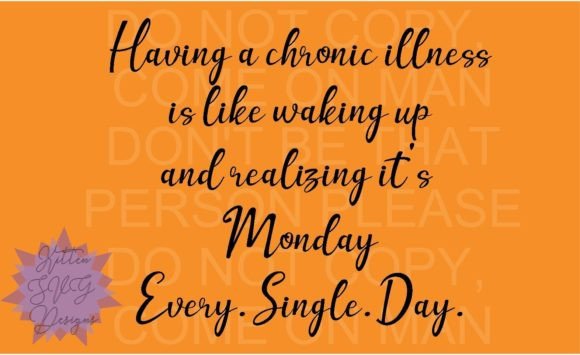
Monday immediately conveys a sense of raw honesty. The design’s layout is clean yet powerful, with a central image that feels both personal and universal. It’s not overly detailed, which makes it versatile for different embroidery projects. The shape is simple enough to work on small hoop sizes but still holds visual interest when stitched at larger scales.
The theme is clear: a reminder that every day is a challenge, but also an opportunity to show strength. This makes it ideal for custom apparel, baby items, or even as a patch for a personalized gift. Its visual personality leans toward modern minimalism, which fits well with current trends in handmade products and boutique branding.
Real-Life Embroidery Scenarios: Where Monday Shines
When considering how Monday would look on a finished product, it’s important to think about the context. For example, a tote bag design featuring Monday could be a conversation starter at the grocery store or a daily reminder for the wearer. On a sweatshirt, it adds a subtle yet meaningful touch that speaks to the wearer’s experience.
For baby items, such as onesies or blankets, Monday could be used as a gentle nod to the challenges of parenting a child with chronic illness. As an embroidered patch, it could be added to a jacket or backpack, making it a wearable piece of art that tells a story.
In holiday or wedding gifts, Monday could be adapted into a more decorative format, perhaps with added embellishments or color variations. It works well as a printable mockup for digital product previews, allowing craft businesses to showcase the design before production.
Where to Use Monday Carefully
While Monday is a strong design, it’s not without limitations. On small hoop sizes, the details may become too compressed, leading to a loss of clarity. Textured fabrics or thin materials can also affect how the design appears, especially if the stitch density is too high or the stabilizer isn’t properly applied.
On dark fabrics, the contrast might be less effective unless the thread colors are carefully chosen. Similarly, stretchy or curved surfaces like caps can cause distortion if the design isn’t adjusted for the fabric’s movement. Tiny lettering or intricate corners may require additional attention during the stitching process to ensure they remain visible and intact.
For commercial embroidery projects, it’s essential to test the design on multiple fabric types and hoop sizes. This helps identify any potential issues before producing large quantities. It’s also important to confirm licensing terms before selling finished items or digital products, as some designs may have restrictions on commercial use.
Impact on Visual Appeal and Customer Trust
Monday has the potential to elevate the visual appeal of any project it’s used on. Its bold, minimalist style can add a professional touch to handmade products, making them stand out in a crowded market. When used on custom apparel or personalized gifts, it can create a stronger emotional connection with the buyer, increasing the perceived value of the finished product.
For small shop owners and Etsy sellers, Monday offers a unique angle to attract customers who are looking for meaningful, expressive designs. It can be a valuable addition to a craft business’s product line, especially for those targeting niche markets like chronic illness awareness or mental health advocacy.
From a branding perspective, using Monday consistently across different products can help reinforce a cohesive identity. Whether it’s on a tote bag, a pillow cover, or a digital download, the design maintains its impact and relevance.
Practical Designer Notes: Testing and Preparation
Before using Monday in a real project, I recommend testing it on scrap fabric first. This allows you to see how the design looks in different thread colors and fabric textures. Checking the stitch density is also crucial—too much density can cause puckering, while too little can result in a weak appearance.
Confirming the correct hoop size is another key step. If the design is too large for your hoop, you may need to split it or adjust the layout. Inspecting small details, such as lettering or edges, ensures that nothing is lost during the stitching process.
Testing the design in black and white mockups can help you visualize how it will look on different fabric backgrounds. Comparing light and dark fabric options can also guide your choice of thread colors. Using the right stabilizer is essential, especially when working with delicate or stretchy fabrics.
Finally, always check whether the design is suitable for both personal and commercial projects. Some embroidery files come with specific usage rights, so it’s important to understand these before proceeding with production.
Conclusion: Monday as a Meaningful Embroidery Asset
Monday is more than just a design—it’s a statement. Its simplicity and emotional depth make it a powerful tool for designers, small business owners, and crafters looking to create meaningful, expressive products. Whether used on a custom apparel item, a personalized gift, or a commercial embroidery project, it has the potential to resonate with a wide audience.
By approaching it with care and attention to detail, you can ensure that Monday translates beautifully from file to finished product. For those looking to add a unique, heartfelt element to their craft business or handmade offerings, Monday is definitely worth considering.