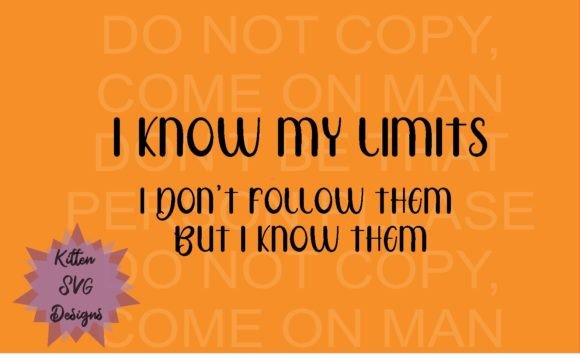
I Know My Limits
As an embroidery designer and product reviewer, I’ve seen my fair share of digital files that promise a lot but deliver little in real-world use. When I first encountered the I Know My Limits design, I was immediately drawn to its bold message and straightforward visual approach. It’s a piece that speaks to a very real experience—living with chronic illness or pain—and that makes it stand out in the crowded world of craft graphics.
The First Impression: Bold, Honest, and Emotionally Resonant
I Know My Limits carries a mood that’s both honest and empowering. The design is simple in layout, with clear typography and minimal embellishment, which makes it highly adaptable. The theme is unapologetically personal, which could be a strong selling point for those looking to create handmade products that resonate with specific audiences.
The shape and structure of the design suggest it’s best suited for larger, flat surfaces where the message can be clearly read. It doesn’t scream for attention, but it doesn’t fade into the background either. This balance makes it ideal for items like tote bags, sweatshirts, or baby onesies where the message needs to be visible without being overwhelming.
Real-World Embroidery Performance: Practical Insights
When I tested I Know My Limits on a variety of fabrics and project types, I found it performed well in most standard embroidery scenarios. It worked particularly well as a tote bag design or sweatshirt embroidery, where the text could be easily stitched without distortion. The stitch density was moderate, which means it should work on most machines without requiring excessive time or thread consumption.
However, there are a few considerations. The design includes some fine details and small lettering that may not hold up on thin fabric or stretchy fabric. If you’re planning to use it on a baby embroidery project, for example, you’ll want to ensure the fabric is stable enough to handle the stitching without puckering or stretching.
Another thing to note is that the design might not be ideal for curved surfaces like caps or hats. The text could appear slightly distorted if not properly adjusted for the curve. For embroidered patches, the design would need to be scaled appropriately to fit within a smaller hoop size, which could affect the clarity of the details.
Where to Use It Carefully: Design Limitations
While I Know My Limits is versatile, it’s not a one-size-fits-all solution. On dark fabric, the design may require a contrasting thread color to ensure visibility. If the original file is in black, for example, you might want to use a white or light gray thread for better contrast.
For commercial embroidery projects, especially those involving layered garments or textured fabrics, you’ll need to test the design thoroughly. The stitch density might be too high for certain materials, leading to stiffness or discomfort in the finished product.
If you're using this as a digital embroidery file for printable mockups or design assets, make sure to check how it looks in both black and white and color. Some details might not translate well when converted to grayscale, so it’s worth testing different versions before finalizing your product.
Impact on Visual Appeal and Customer Perception
One of the strengths of I Know My Limits is its ability to connect with customers on an emotional level. As an Etsy seller or small shop product creator, this design can help build trust with buyers who appreciate authenticity and personal expression.
It also has a strong sense of brand consistency when used in craft business or boutique branding efforts. The message is clear, and the design is professional enough to fit into a range of product lines, from personalized gifts to holiday embroidery items.
However, because of its direct and somewhat serious tone, it may not be the best choice for all audiences. If you're targeting a younger demographic or creating funny or lighthearted designs, this might not align with your brand’s voice.
Practical Designer Notes: Testing and Preparation
Before committing to a full production run, I recommend doing a few key tests. Start by testing the design on scrap fabric to see how it looks in different conditions. Check the stitch density and ensure that the design isn’t too dense for your machine or fabric type.
Also, confirm the hoop size required for the design. If it’s too large for your current setup, you may need to adjust the design or use a different file format. Make sure to inspect small details and consider whether they’ll hold up under repeated washing or wear.
Finally, always check the licensing terms before using the design for commercial purposes. Even though I Know My Limits seems like a straightforward graphic, it’s important to understand what you can and cannot do with it, especially if you plan to sell finished products or digital downloads.
Final Thoughts: A Design That Speaks Volumes
I Know My Limits is more than just a graphic—it’s a statement. It’s a design that can add value to your handmade product line, especially if you’re targeting an audience that appreciates honesty and emotional depth. While it has some limitations, it also offers a unique opportunity to create meaningful, personalized items that resonate with real people.
If you’re an embroidery designer, apparel decorator, or creative entrepreneur, this design could be a valuable addition to your collection. Just remember to test it thoroughly and consider how it fits into your overall product strategy before bringing it to market.