Fighting My Disability
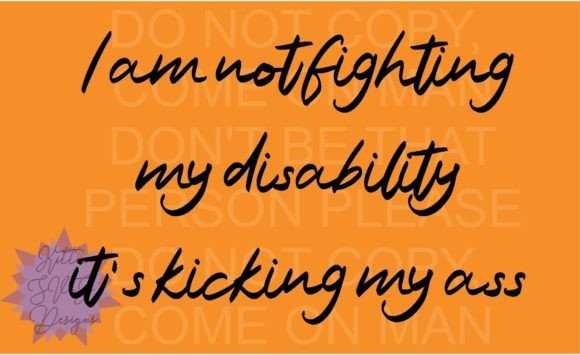
As an embroidery designer and product reviewer, I’ve seen countless designs come and go. But some stand out for their emotional impact and practical usability. Fighting My Disability is one of those pieces that carries weight beyond its visual appeal. It’s not just a machine embroidery design—it’s a statement, a conversation starter, and a meaningful addition to any handmade or commercial project.
The First Impression
When I first opened the SVG file for Fighting My Disability, I was struck by its boldness. The design doesn’t shy away from its subject matter; it embraces it with a raw, unfiltered energy. The layout is clean but powerful, with a central image that commands attention. The shape and theme feel intentional, designed to resonate with people who live with chronic illness or pain. It’s not a subtle design—it’s meant to be seen, felt, and understood.
The detail level is moderate, which makes it versatile for different embroidery projects. It’s not overly complex, so it works well on a variety of fabrics and sizes. The visual personality of the design is both defiant and vulnerable, which adds depth to its storytelling potential.
Real-World Embroidery Use Cases
Fighting My Disability fits naturally into custom apparel, sweatshirts, and tote bags. It’s a strong candidate for a personalized gift, especially for someone who wants to express their experience with chronic illness in a creative way. The design could also work as an embroidered patch, adding a unique touch to jackets, backpacks, or even baby clothes.
For small business owners and Etsy sellers, this design has potential as part of a niche collection. It could be used in holiday gifts, wedding gifts, or as a limited-edition item for a craft fair. The design’s message is relevant and timely, making it a valuable asset for any craft business looking to connect with a specific audience.
It also works well as a printable mockup or digital product preview. The SVG format allows for easy scaling and customization, which is a plus for designers who want to offer flexible design assets.
Where to Be Cautious
While Fighting My Disability is a strong design, there are certain situations where it may not perform as well. For instance, on small hoop sizes, the details might get lost or distorted. If you’re working with textured fabrics, thin fabric, or stretchy materials, you’ll need to adjust your stabilizer and stitch density accordingly.
On dark fabric, the design might appear less vibrant, so testing thread color contrast is essential. Similarly, on curved surfaces like caps or hats, the design’s sharp edges could look uneven if not properly adjusted. Tiny lettering or intricate corners may require extra care during the stitching process.
Dense stitch areas can cause puckering or distortion, especially on delicate fabrics. If you’re using this design for a commercial embroidery project, make sure to check the licensing terms before selling finished items or digital products.
Impact on Visual Appeal and Customer Trust
Fighting My Disability has a strong visual presence that can elevate the value of any handmade product. Its bold message and clear design make it instantly recognizable, which is great for brand consistency and buyer engagement. When customers see this design on a tote bag or sweatshirt, they immediately understand the story behind it.
As a personalized gift, it adds emotional depth and meaning. It’s not just a decoration—it’s a reflection of the wearer’s experience. This kind of design can build trust between the creator and the customer, especially when it’s used in a thoughtful, respectful way.
For small shop merchandise or boutique branding, Fighting My Disability can serve as a signature piece that sets your products apart. It’s a design that invites conversation, which is invaluable in the handmade and craft industries.
Practical Designer Notes
Before using Fighting My Disability in any project, I recommend testing it on scrap fabric. This will help you assess how the design looks in real life and whether it meets your expectations. Pay close attention to stitch density and thread color contrast—especially if you’re using it on dark or light backgrounds.
Make sure to confirm the hoop size required for your machine. Some designs may need a larger hoop than expected, which could affect your workflow. Also, check if the design works for both personal and commercial use, and always review the licensing terms before selling anything.
Using a proper stabilizer is crucial, especially on stretchy or delicate fabrics. If you’re creating a printable mockup or digital product preview, test the design in black and white to ensure it still holds up without color. And don’t forget to inspect small details—sometimes the most important parts of a design are the ones that are easiest to overlook.
Final Thoughts
Fighting My Disability is more than just an embroidery design—it’s a powerful expression of resilience and identity. It’s a piece that speaks to people who live with chronic illness, offering them a way to showcase their experiences through art. Whether you’re using it in a custom apparel project, a handmade gift, or a commercial embroidery venture, it has the potential to make a real impact.
As a designer, I appreciate the honesty and clarity of this design. It doesn’t try to be something it’s not. It’s straightforward, meaningful, and ready to be brought to life through embroidery. If you’re looking for a design that carries weight and purpose, Fighting My Disability is worth considering. Just remember to approach it with care, respect, and a willingness to adapt it to your specific needs.