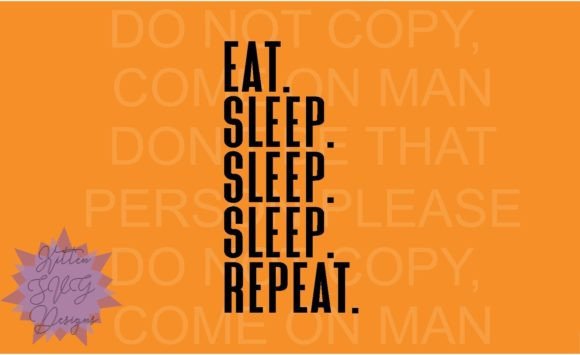
Eat.sleep.repeat
As an embroidery designer and product reviewer, I often find myself evaluating new designs with a critical eye—looking at how they translate from digital file to finished product. Eat.sleep.repeat is one such design that caught my attention not just for its message, but for its potential in real-world applications. It’s a simple yet powerful concept that could work well in a variety of handmade and commercial projects.
The First Impression
Eat.sleep.repeat immediately conveys a sense of relatability and humor. The phrase itself speaks to a lifestyle many of us can relate to, especially those dealing with chronic illness or pain. It’s a design that feels personal, almost like a quiet rebellion against the pressures of productivity culture. The layout is clean and straightforward, with a casual, handwritten feel that gives it a friendly and approachable vibe.
The shape and theme make it ideal for custom apparel, tote bags, or baby items where a subtle yet meaningful message is desired. It doesn’t scream for attention, but it does stand out when needed. The level of detail is minimal, which makes it versatile for different embroidery techniques and fabric types.
Real-Life Embroidery Use Cases
Imagine you’re working on a custom embroidered tote bag for a client who wants something both functional and expressive. Eat.sleep.repeat would be a great fit. It’s simple enough to stitch without requiring excessive time or complex techniques. A basic satin stitch combined with some fill stitches would bring out the text clearly without overwhelming the design.
This design also works well for sweatshirts, t-shirts, and caps. Its size and simplicity mean it can be placed in various locations without looking cramped or out of place. For baby clothes, it could serve as a gentle reminder of the importance of rest and self-care, making it a thoughtful personalized gift.
It’s also suitable for patches, aprons, and pillow covers. The design’s lack of intricate details means it won’t get lost on textured fabrics or stretchy materials. However, it’s worth noting that the design might not hold up as well on very thin or dark fabrics, where the contrast could be an issue.
Where to Be Careful
While Eat.sleep.repeat is generally easy to work with, there are a few situations where caution is advised. If you’re using it on small hoop sizes, you may need to adjust the placement to ensure the entire design fits comfortably. On textured fabrics, the stitches might not lay flat as expected, so testing on scrap fabric first is always a good idea.
For thin or stretchy fabrics, a proper stabilizer will help keep the design from puckering or distorting. Dark fabric backgrounds could also be a challenge if the thread color doesn’t contrast enough. In such cases, a lighter thread or a white background might be necessary for visibility.
When working with curved surfaces like caps or baby onesies, the design’s simplicity helps it adapt better than more detailed patterns. But for products that require frequent washing, the durability of the stitches should be considered. A dense stitch pattern might help, but it’s always best to test before committing to a large batch.
Visual Appeal and Customer Perception
Eat.sleep.repeat has a certain charm that could resonate with customers looking for unique, meaningful designs. It adds value to handmade products by offering a story behind the embroidery. When used on custom apparel or personalized gifts, it can create a sense of connection between the maker and the buyer.
From a branding perspective, this design could work well for small businesses targeting a niche audience. It’s professional enough for Etsy listings or craft fair displays, yet still feels authentic and handmade. The design’s simplicity also makes it easier to incorporate into larger collections or seasonal themes.
However, the effectiveness of the design depends largely on how it’s presented. A poorly executed embroidery job could make it look cheap or unprofessional. That’s why testing the design on different fabrics and thread colors is essential before finalizing any project.
Practical Designer Notes
Before using Eat.sleep.repeat in your own projects, here are a few key steps to take:
- Test the design on scrap fabric to see how it looks in different lighting and fabric textures.
- Check the thread color contrast, especially if you’re planning to use it on dark or light backgrounds.
- Review the stitch density to ensure it’s appropriate for the fabric type and project scale.
- Confirm the hoop size required for your machine to avoid any resizing issues.
- Inspect small details like corners and lettering to ensure clarity after stitching.
- Try it in black and white mockups to see how it translates visually.
- Use the right stabilizer for the fabric to prevent puckering or distortion.
- Verify that the design is suitable for both personal and commercial use, and check the licensing terms before selling.
These steps will help ensure that Eat.sleep.repeat turns out exactly as intended, whether you're creating a handmade product, a custom gift, or a digital design asset for sale.
Final Thoughts
Eat.sleep.repeat is a design that speaks to a specific audience with a clear, relatable message. While it’s not the most complex or detailed embroidery file, its simplicity makes it versatile and easy to work with. It’s a great choice for small business owners, crafters, and designers looking for a meaningful addition to their product line.
Whether you’re using it for a custom tote bag, a baby onesie, or a holiday gift, Eat.sleep.repeat has the potential to add personality and purpose to your work. Just remember to test it thoroughly and consider the fabric and finishing details before finalizing your project.