Asked for an Id
As a designer and embroidery product reviewer, I often find myself evaluating machine embroidery designs with a critical eye. Asked for an Id is one such design that carries a unique emotional weight and visual character. It’s not just a graphic—it’s a statement. The phrase “Do you have a chronic illness or pain?” immediately sets a tone of vulnerability and resilience, making it a powerful piece for those who want to express their personal journey through embroidery.
The First Impression
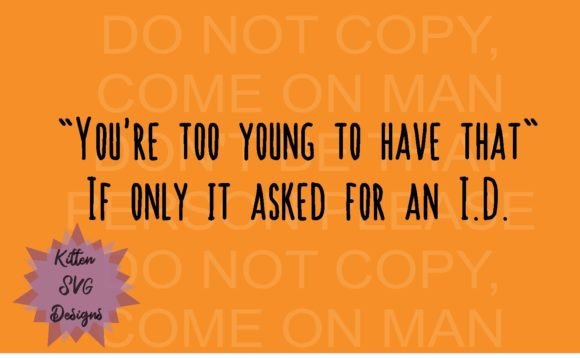
From the moment I saw Asked for an Id, I noticed its bold, straightforward layout. The text is clean, easy to read, and has a modern aesthetic that fits well in both casual and professional settings. The design doesn’t rely on intricate details or complex shapes, which makes it accessible for a wide range of embroidery projects. Its simplicity is its strength, allowing it to stand out without overwhelming the fabric it’s stitched onto.
The theme of the design is deeply personal. It’s not just about showing off a condition—it’s about creating a conversation. That kind of emotional resonance can be incredibly valuable for handmade products, personalized gifts, or even commercial embroidery projects targeting niche markets.
Real-World Embroidery Use Cases
When considering where to use Asked for an Id, I think of custom apparel, tote bags, and baby items. It could work well as a sweatshirt embroidery, especially for someone looking to make a statement or connect with others who share similar experiences. As a tote bag design, it adds a meaningful touch to everyday carry, turning a simple item into a conversation starter.
For baby items, the design might be more appropriate as a patch or applique rather than direct embroidery. It could be used on onesies, blankets, or nurseries, but I’d recommend testing it on different fabrics first to ensure it looks good on soft, stretchy materials. On a cap or hat, the design would need careful placement to avoid distortion from the curved surface.
Design Performance in Practice
Asked for an Id is a straightforward design, which means it should perform well on most embroidery machines. However, there are a few considerations. The stitch density isn’t overly dense, which is great for avoiding puckering on thin or stretchy fabrics. But if you’re using it on a dark fabric, you’ll want to ensure the thread color contrasts enough to be visible.
For small hoop sizes, this design might require multiple hooping sessions, depending on the size of the final embroidered piece. If you’re planning to use it on a patch or a small item, that’s manageable. But for larger projects like a sweatshirt or pillow cover, you’ll need to check your hoop size and adjust the design accordingly.
Where to Be Careful
There are a few situations where Asked for an Id might not be the best choice. On textured fabrics, such as canvas or thick denim, the design could look less crisp. Similarly, on thin or stretchy fabrics, you’ll need to use the right stabilizer to prevent the stitches from sinking into the material.
For layered garments or curved surfaces like caps, the design might not sit flat. You’ll need to test it on a sample before committing to a full project. Tiny lettering or detailed corners could also be a challenge, so it’s worth inspecting the design closely before using it on any high-detail project.
Impact on Visual Appeal and Customer Perception
Asked for an Id has a strong visual presence that can elevate a handmade product or custom apparel. It adds value by offering something meaningful and personal. Customers who resonate with the message may feel a deeper connection to the finished product, which can increase trust and engagement.
For a small shop product or Etsy listing, this design could be a standout piece. It’s not just a graphic—it’s a story. When used effectively, it can help build brand consistency and create a sense of community around your craft business.
Practical Designer Notes
Before using Asked for an Id in any project, I recommend testing it on scrap fabric. This will help you see how the design looks in real life and whether it matches your expectations. Check the thread color contrast, especially if you’re using it on dark or light backgrounds.
Review the stitch density to ensure it works for your project type. For commercial embroidery or digital product sales, confirm the licensing terms before using the design in any finished product. Also, test it in black and white mockups to see how it translates across different fabric colors.
Final Thoughts
Asked for an Id is a design that speaks volumes without saying much. It’s perfect for those who want to make a statement through embroidery, whether for personal use, handmade gifts, or a craft business. Its simplicity and emotional depth make it versatile, but it also requires some care in application to ensure it looks its best.
If you’re an embroidery designer, small business owner, or craft seller, this design could be a valuable addition to your collection. Just remember to approach it with the same attention to detail and practicality that you bring to every project. After all, the goal is to create something that not only looks good but also resonates with the people who use it.